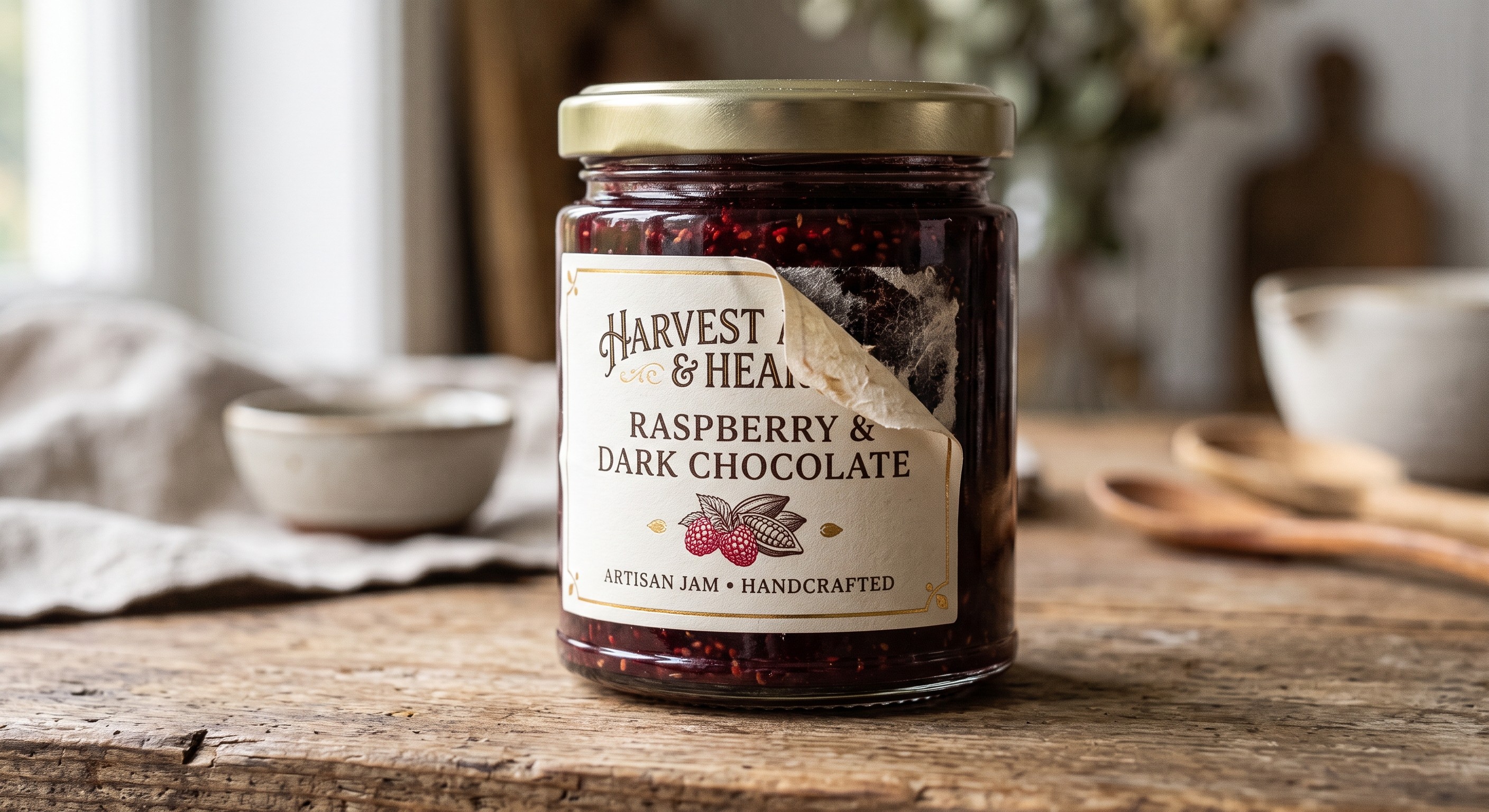
The Anatomy of a Premium Label: The Science of Haptics and Embellishments

Sarah Barner
•

In the highly saturated retail environment, visual design is no longer enough to secure a purchase. A consumer scanning a shelf takes roughly three to five seconds to evaluate a product. While color and typography grab their initial attention, it’s the physical, tactile quality of the packaging that communicates premium value and justifies a higher price point.
This psychological trigger is known as haptics—the science of touch. When a consumer picks up a bottle of artisanal gin or a high-end cosmetic serum, the microscopic textures on the label influence their perception of the product's quality before they ever open it. Here is the technical breakdown of the commercial print embellishments that build that premium experience.
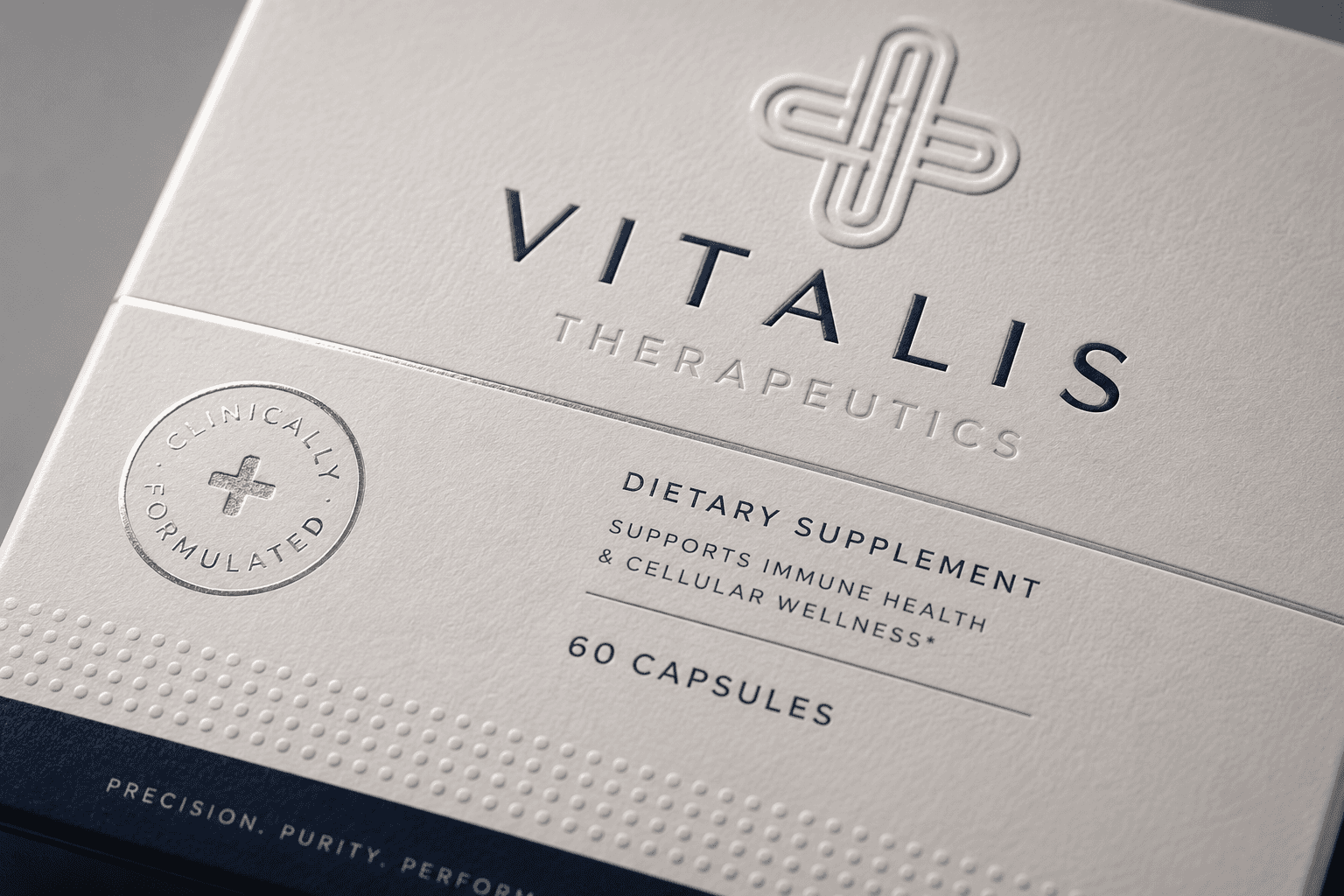
High-Build Tactile Varnishes and Spot UV Instead of flooding an entire label with a standard gloss finish, Spot UV applies a specialized clear polymer strictly to targeted areas—like a brand crest, a specific word, or an intricate background pattern.
Taking this a step further, High-Build (or tactile) varnishes utilize heavy micron layers of UV-cured polymer to create a raised, physical texture you can feel under your thumb. Applying a raised, glossy liquid effect against a soft-touch, matte-laminated background creates a striking visual contrast and an irresistible invitation for the consumer to physically engage with the product.
The Mechanics of Metallic Foil: Hot vs. Cold Standard metallic inks often fall flat, looking more like dull gray or mustard yellow under harsh retail lighting. True brilliance requires physical metallic foil.
Hot Foil Stamping: The traditional gold standard for luxury. A custom-machined metal die is heated and pressed into the label substrate, transferring the foil via heat and pressure. It provides unmatched opacity and brilliance, particularly on heavily textured, uncoated estate papers used in the wine and spirits industries.
Cold Foil: A more modern, high-speed solution. Instead of a heated die, a flexographic press prints a UV-curable adhesive in the exact shape of the design. The metallic foil web is then pressed against the adhesive and stripped away, leaving the foil only where the adhesive was printed. It’s highly cost-effective for large production runs and allows for overprinting (printing colored inks directly on top of the silver foil to create an infinite spectrum of metallic colors).
Substrate Selection is the Foundation An embellishment is only as good as the material it sits on. Applying a heavy emboss to a thin, rigid film will cause the label to warp. True premium packaging requires selecting the right foundation—whether that’s a thick, cotton-based, wet-strength paper engineered to survive an ice bucket, or a pearlized film designed to give your graphics a deep, luminescent glow. The integration of structure and embellishment is what separates standard packaging from a luxury brand asset.