
Cold-Temp and Freezer Adhesives: Preventing Label Failure in the Cold Chain

Sarah Barner
•
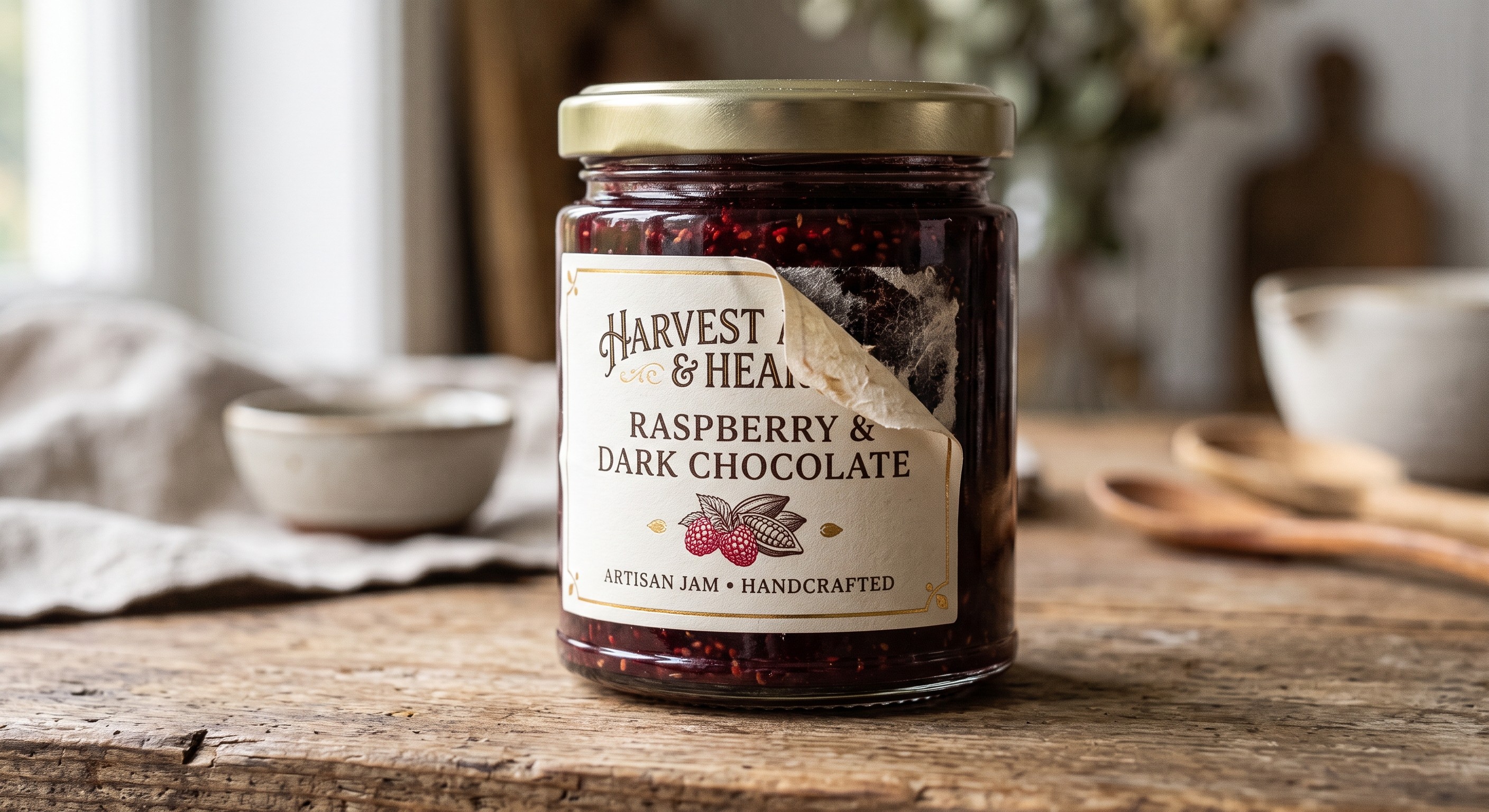
There is a distinct sinking feeling a production manager gets when they open a pallet of frozen goods only to find half the labels peeling off, curling at the edges, or lying completely unattached at the bottom of the shrink wrap.
In the food, beverage, and biopharma sectors, the cold chain is ruthless on packaging. When standard labels are exposed to sub-zero environments, the physical properties of the adhesive fundamentally change, leading to catastrophic failure. Preventing this requires understanding the physics of adhesion and the specific thermal environments of your supply chain.
The Physics of Failure: Glass Transition Temperature (Tg) Every adhesive has a Glass Transition Temperature (Tg). This is the specific thermal threshold where a soft, tacky polymer hardens and turns into a brittle, glass-like state.
Standard acrylic adhesives—the workhorses of the label industry—have a relatively high Tg. In a room-temperature environment, they flow effortlessly into the microscopic pores of a container to create a strong bond. But drop that temperature into a commercial freezer, and the acrylic instantly crystallizes. It loses all tack, flakes off, and the label detaches.
Application vs. Service Temperature To engineer a label that survives, you must separate your cold chain into two distinct phases:
Application Temperature: What is the exact state of the container at the moment the label is applied? Applying a label to a frozen, condensation-covered plastic jug on a high-speed line is the ultimate test. Water acts as an impenetrable barrier to standard adhesives. You need a specialized hot-melt rubber formulation—an aggressive, high-tack adhesive that can pierce through frost and moisture to physically grip the substrate before curing.
Service Temperature: Once the label is applied and the adhesive sets, how cold will the product get, and for how long? A label applied at room temperature but stored at -20°C requires a different chemistry (often a specialized cold-temp acrylic) than a label applied directly in a blast-freezing environment.
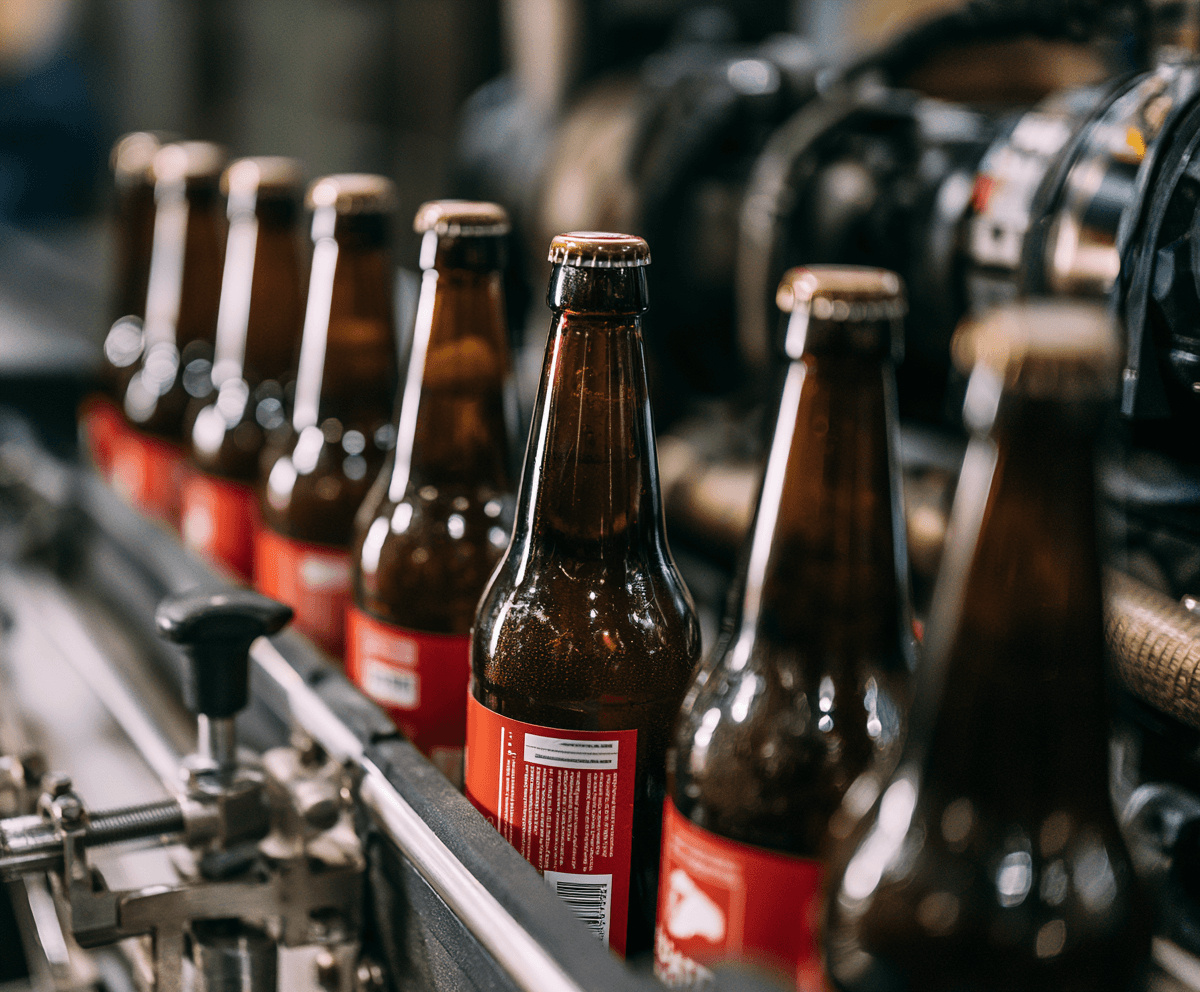
Face Stock Flexibility Matters The adhesive is only half the equation. The face stock (the material the label is printed on) must also withstand the cold. Standard paper absorbs moisture from freezer condensation, causing it to swell, wrinkle, and tear. Flexible, moisture-resistant films like Polyethylene (PE) or biaxially oriented polypropylene (BOPP) are essential. They flex with the container as it expands and contracts during freezing and thawing cycles, ensuring the branding remains pristine from the processing plant to the consumer's kitchen.

