
Biodegradable vs. Compostable Labels: Avoiding Greenwashing in CPG

Terry Wiseman
•

Consumer demand for sustainable packaging is at an all-time high, but the terminology surrounding it has become a minefield. For CPG brands, accidentally interchanging the words "biodegradable" and "compostable" on your label isn't just a marketing faux pas—it’s a fast track to regulatory fines and accusations of greenwashing.
While both terms imply an eco-friendly end-of-life scenario, they operate under vastly different scientific realities and legal standards.
The "Biodegradable" Trap and Microplastics Scientifically, "biodegradable" simply means a material will eventually be broken down by biological processes (microorganisms). However, this definition lacks a specific timeline and environment. A standard plastic bottle might be technically biodegradable over 500 years.
More concerning are "oxo-degradable" plastics. These are standard polymers mixed with chemical additives designed to accelerate fragmentation when exposed to UV light and oxygen. They don't return to nature; they shatter into invisible microplastics that contaminate soil and waterways. Because of this, several regions, including the EU, have actively banned oxo-degradable plastics, and the FTC rigorously polices unqualified "biodegradable" claims in the US.
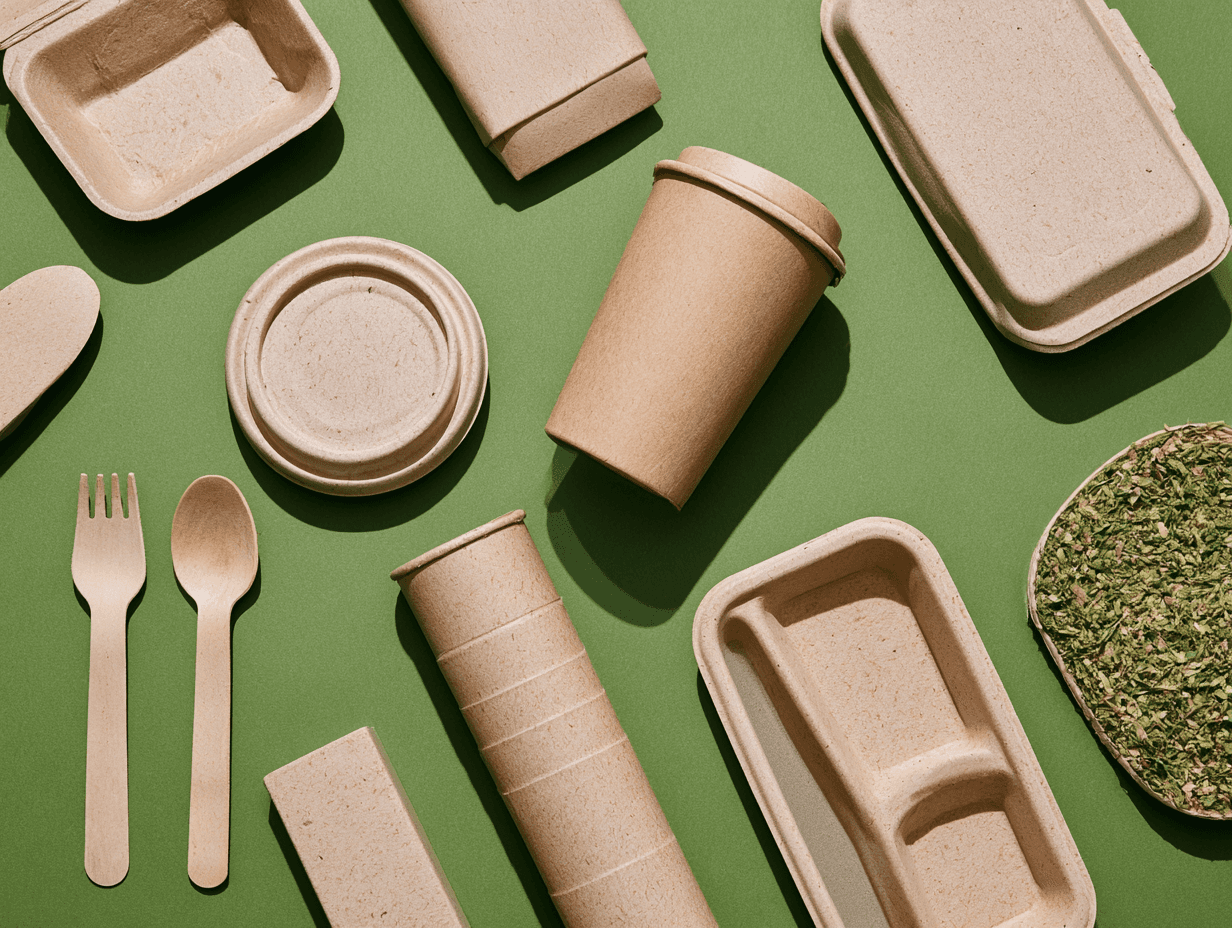
The Strict Science of "Compostable" Compostability is heavily regulated and mathematically measurable. For a plastic or film to be legally marketed as compostable in the US, it must pass ASTM D6400 (for solid plastics) or ASTM D6868 (for packaging with coatings/labels).
Breakdown Timeline: The material must achieve 90% biodegradation within 180 days.
Controlled Environment: This breakdown must occur in a commercial industrial composting facility, which maintains steady temperatures of 55–60°C and specific aeration levels. (This is vastly different from a backyard compost pile, which rarely gets hot enough to break down bioplastics like PLA).
No Toxic Residue: The resulting biomass must not contain heavy metals or negatively impact plant growth.
The Label Contamination Problem A major blind spot for brands is component compatibility. If you invest in a premium, certified-compostable stand-up pouch but apply a standard BOPP (polypropylene) label with a synthetic acrylic adhesive, you have just ruined the entire package. Commercial composters will reject the batch, sending it straight to a landfill.
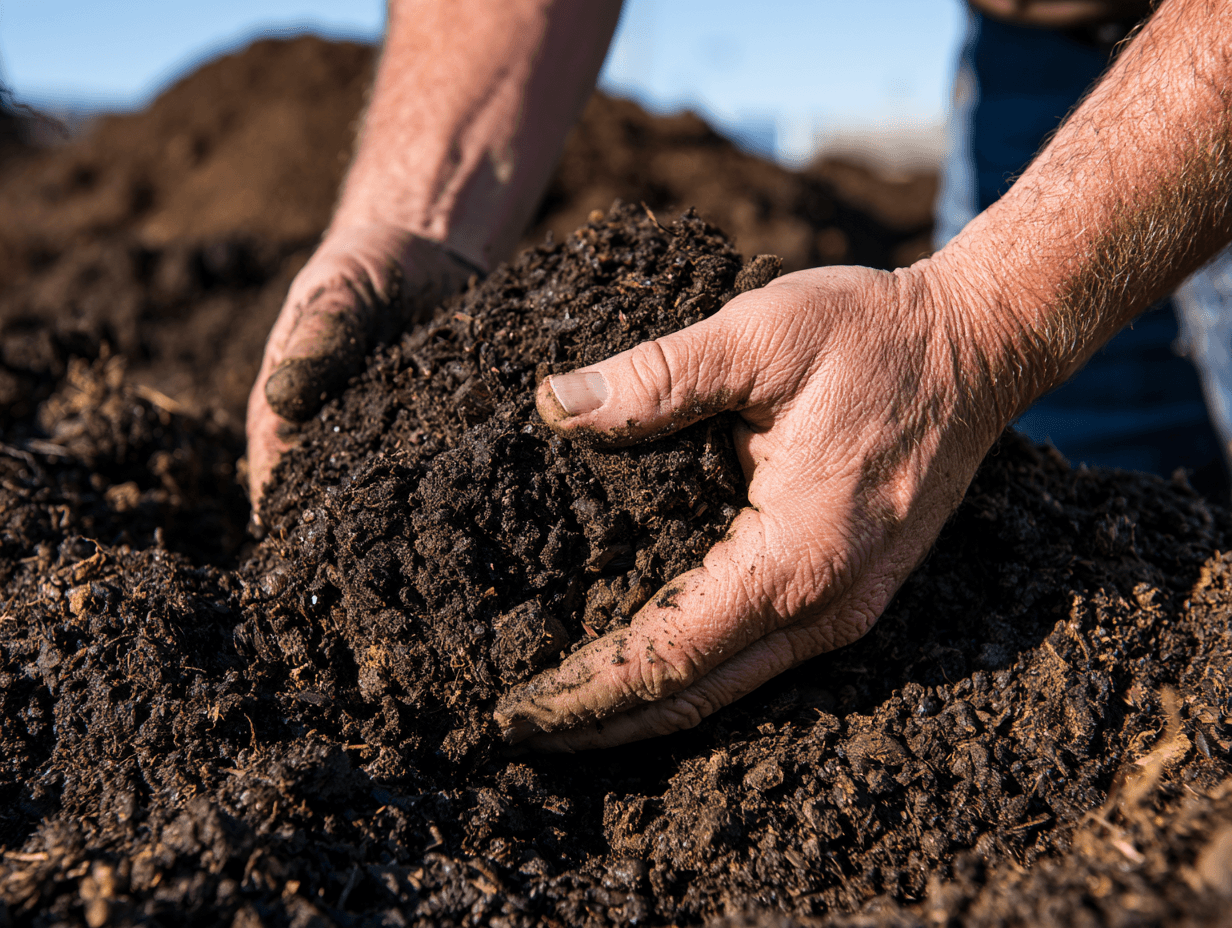
True sustainability requires a holistic material architecture. From the face stock (like sugar-cane-based papers or wood-pulp-based cellophane) to the specific compost-compliant adhesives, every single layer of the packaging must work together.